When you set up your profile in MyFitnessPal, one of the first things the app asks is your activity level. This setting tells the app how active you are during a typical day so it can estimate how many calories your body needs.
Many users get confused at this step because the options like sedentary, lightly active, or very active can be unclear. Choosing the wrong level may lead to inaccurate calorie goals. In this guide, we’ll explain the MyFitnessPal activity level options in simple terms and help you choose the right one for more accurate calorie tracking.
If you’re comparing calorie tracking apps, you may also want to check some MyFitnessPal alternatives before setting up your activity level.

What Is MyFitnessPal Activity Level?
The MyFitnessPal activity level is a setting inside the app that describes how active you are during a normal day. It helps the app understand your lifestyle so it can estimate how many calories your body burns daily.
When you create your profile, MyFitnessPal asks questions about your daily routine—such as whether you sit most of the day, move occasionally, or have a physically active job. Based on this information, the app assigns an activity level like sedentary, lightly active, active, or very active.
Many people rely on the app’s features like the meal scan tool. But if you are curious about its accuracy, read our guide on how accurate MyFitnessPal meal scan is.
This setting is important because it helps MyFitnessPal calculate your daily calorie needs. The app combines your age, weight, height, and MyFitnessPal activity level to estimate your TDEE (Total Daily Energy Expenditure). TDEE represents the total number of calories your body burns in a day, including basic body functions and physical activity.
Why Activity Level Is Important in MyFitnessPal
Choosing the correct activity level in MyFitnessPal is more important than many people think. The activity level you select directly affects your daily calorie target, which determines how much you should eat each day.
MyFitnessPal uses your activity level to estimate how many calories your body burns throughout the day. For example, someone with a sedentary lifestyle burns fewer calories than someone who is moderately active or exercises regularly. Based on this information, the app calculates the number of calories you need to maintain, lose, or gain weight.
If you select the wrong activity level, your calorie target may become inaccurate.
- Choosing a higher activity level can increase your calorie allowance. This may slow down weight loss because you might eat more than your body actually burns.
- Choosing a lower activity level can reduce your calorie target too much, which may make dieting harder and cause unnecessary fatigue.
Simply put, selecting the right activity level helps MyFitnessPal give you more accurate calorie recommendations, making your fitness or weight goals easier to achieve.
MyFitnessPal Activity Levels Explained
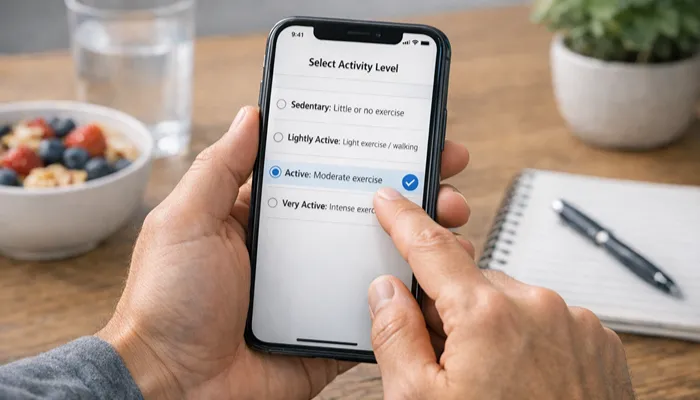
Before choosing your calorie goal, MyFitnessPal asks about your daily activity level. This helps the app estimate how many calories your body burns during the day. The more active you are, the more calories your body needs.
Here’s a simple breakdown of the activity levels used in MyFitnessPal.
| Activity Level | Meaning | Example |
|---|---|---|
| Sedentary | Very little daily movement | Desk job |
| Lightly Active | Light exercise 1–3 days | Walking |
| Active | Regular exercise | Gym 4–5 days |
| Very Active | Intense training | Athlete |
Sedentary
This level means you spend most of your day sitting and do very little physical activity. People with desk jobs, students who sit for long hours, or those who rarely exercise usually fall into this category.
Lightly Active
This level is for people who do light exercise a few times a week. Activities like casual walking, light yoga, or short home workouts 1–3 days per week fit into this group.
Active
If you exercise regularly and stay physically active most days of the week, this level may suit you. For example, going to the gym, running, or doing workouts around 4–5 days a week.
Very Active
This is for people who train hard or have physically demanding routines. Athletes, fitness trainers, or people doing intense workouts almost every day usually fall into this category.
Choosing the correct MyFitnessPal activity level is important because it directly affects your daily calorie goal.

Which MyFitnessPal Activity Level Should You Choose?
Choosing the correct MyFitnessPal activity level is important because it helps the app estimate how many calories you burn each day. If you pick the wrong level, your calorie goals might be inaccurate. The easiest way to decide is to think about your normal daily routine.
Office Worker (Sedentary)
If you spend most of your day sitting — working on a computer, studying, or driving — this level usually fits best. Even if you do a short workout sometimes, your daily movement is still considered low.
Someone Who Walks Daily (Lightly Active)
If your routine includes regular walking, light housework, or standing for long periods, then lightly active may be a better choice. For example, someone who walks 6,000–8,000 steps daily.
Regular Gym Users (Moderately Active)
People who exercise 3–5 times per week, such as gym workouts, cycling, or sports, generally fall into the moderately active category.
Physical Job Workers (Very Active)
If your job involves constant movement — like construction, delivery work, farming, or warehouse tasks — the very active level is usually the most accurate choice.
The goal is simple: choose the option that best reflects your average daily movement, not just your workouts.

Common Mistakes When Choosing Activity Level
Many people choose the wrong activity level in a calorie tracking app, and this can lead to inaccurate calorie goals. One common mistake is selecting “active” just to eat more calories. It might feel tempting, but the activity level should reflect your real daily routine, not what you wish it was. If your activity is mostly sitting or light movement, choosing a higher level can cause you to overeat.
Another mistake is counting workouts twice. For example, if your app already adjusts calories based on workouts, selecting a high activity level and logging exercise can inflate your calorie allowance.
People also tend to overestimate their daily movement. Walking around the house or doing small chores may not count as moderate or high activity.
To avoid errors, always choose the level that best matches your typical daily lifestyle, not occasional workouts.
Does Exercise Count in MyFitnessPal Activity Level?
Many people get confused about this when setting up their profile in MyFitnessPal.
Your activity level and logged exercise are actually two different things in the app.
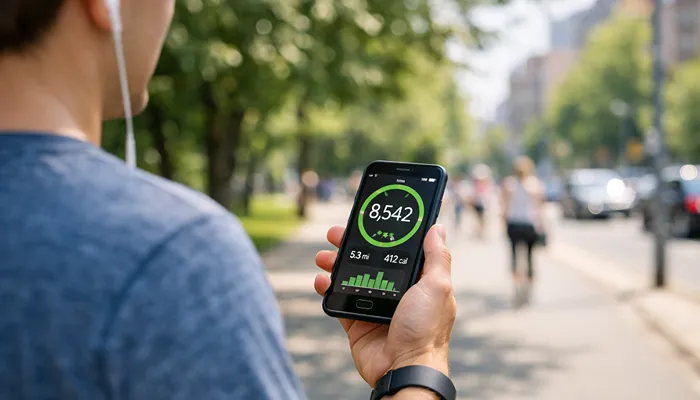
Activity level refers to your normal daily movement — things you do without intentionally exercising. For example:
- Walking around at work
- Doing household chores
- Standing or moving during the day
When you choose an activity level in MyFitnessPal (like sedentary, lightly active, or active), the app estimates how many calories you burn during your regular daily routine.
On the other hand, exercise is something you log manually inside the app.
Examples include:
- Running
- Gym workouts
- Cycling
- Yoga sessions
When you log these activities, MyFitnessPal adds extra calories separately to your daily calorie allowance. This means your activity level sets your base calories, while exercise calories are added on top of that.
Tips to Set the Correct Activity Level
Choosing the right activity level can make a big difference in how accurate your calorie goals are. Here are a few simple ways to set it correctly.
1. Check Your Daily Step Count
Look at your average daily steps using your phone or smartwatch.
- Under 5,000 steps → Sedentary
- 5,000–8,000 steps → Lightly active
- 8,000–12,000 steps → Moderately active
- 12,000+ steps → Very active
This gives you a realistic starting point.
2. Track Results for 2–3 Weeks
Follow the calorie target and log your meals consistently. Give your body a little time so the results become clearer.
3. Adjust if Results Feel Inaccurate
If you feel constantly hungry, tired, or your weight changes too fast, adjust your activity level slightly. Small tweaks can make your calorie estimates much more accurate.
FAQs About MyFitnessPal Activity Level
What does sedentary mean in MyFitnessPal?
n MyFitnessPal, sedentary means you have very little daily movement outside basic tasks. This usually includes people who sit most of the day, such as office workers, students, or people who work from home. If you rarely exercise and your daily routine mostly involves sitting, the sedentary option is usually the most accurate starting point.
Is 10,000 steps lightly active?
Yes, walking around 10,000 steps per day generally falls into the lightly active category. This level usually includes people who walk regularly during the day, take short walks, or have jobs that involve some movement but not constant physical activity.
Should gym workouts change activity level?
Not always. In MyFitnessPal, activity level refers to your daily lifestyle, not your workouts. If you already log workouts separately in the app, you should usually keep your activity level based on your normal daily movement rather than gym sessions.
If you’re still deciding which calorie tracker to use, you may also compare apps like MyNetDiary vs MyFitnessPal or Lifesum vs MyFitnessPal.
Conclusion
Choosing the correct MyFitnessPal activity level is more important than many people think. When you set the right activity level, the app can calculate a much more accurate daily calorie goal. This helps you avoid eating too much or too little while trying to reach your fitness goals.
Whether you want to lose weight, maintain your body, or build muscle, the correct MyFitnessPal activity level makes your tracking more reliable. Take a few minutes to review your daily movement and choose the level that truly matches your lifestyle. Small adjustments here can lead to better, more consistent fitness results over time.