If you’re trying to lose weight, improve your diet, or simply understand what you’re eating each day, tracking your food can make a big difference. For many people, guessing calories or portion sizes doesn’t work very well. That’s where MyFitnessPal comes in.
MyFitnessPal is one of the most popular calorie-tracking apps used by millions of people around the world. It allows you to log meals, track calories, and monitor your daily nutrition in one place. Instead of wondering how much you’ve eaten, the app shows your calorie intake and nutrition breakdown in a simple dashboard.
In this guide, you’ll learn how to use MyFitnessPal step by step, how to track calories and macros, and how to use the app more effectively for weight loss and nutrition tracking.

What Is MyFitnessPal?
In simple terms, MyFitnessPal is a calorie-tracking app that helps people monitor their food intake, exercise, and overall nutrition. When you log your meals and activities, the app compares your calorie intake with your daily goals.
For many beginners, calorie counting can feel confusing at first. MyFitnessPal simplifies the process by giving you an easy way to record meals and see how your eating habits affect your progress.
Why People Use MyFitnessPal
Many users rely on MyFitnessPal to:
- Track daily calorie intake
- Monitor macronutrients like protein, carbohydrates, and fat
- Support weight-loss goals
- Build healthier eating habits
- Track exercise and physical activity
Because of these features, MyFitnessPal has become one of the most widely used nutrition tracking and weight-loss apps today.
Key Features of MyFitnessPal
One of the reasons MyFitnessPal is so popular is the number of helpful tools it offers. These features make calorie tracking easier, even for beginners.
Large Food Database
MyFitnessPal includes a huge food database with thousands of foods, restaurant meals, and packaged products. Most of the time, you can find the food you’re looking for in seconds.
Barcode Scanner
The barcode scanner is one of the most convenient tools in the app. Instead of typing food manually, you can simply scan a packaged product and instantly log its nutrition information.
Nutrition Tracking
MyFitnessPal tracks several important nutrients, including:
- Calories
- Protein
- Carbohydrates
- Fat
- Sugar
- Fiber
This helps users understand what they’re eating throughout the day.
Progress Tracking
The app also provides charts and reports so you can monitor changes in your weight, calorie intake, and nutrition habits over time.
Seeing this progress often helps people stay motivated.
How to Set Up MyFitnessPal (Step-by-Step)
Getting started with MyFitnessPal is simple. The setup process usually takes only a few minutes.
Step 1: Download the App

First, download MyFitnessPal from the Apple App Store or Google Play Store.
You can also access the platform through the official website if you prefer using a computer.
Step 2: Create Your Account
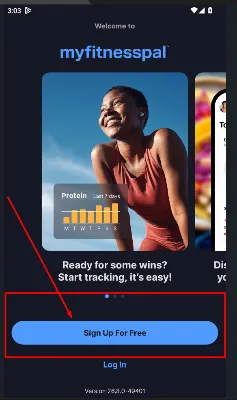
After installing the app:
- Open MyFitnessPal
- Click Sign Up
- Enter your email address or connect with Google or Apple
The app will create your personal profile.
Step 3: Enter Your Personal Information
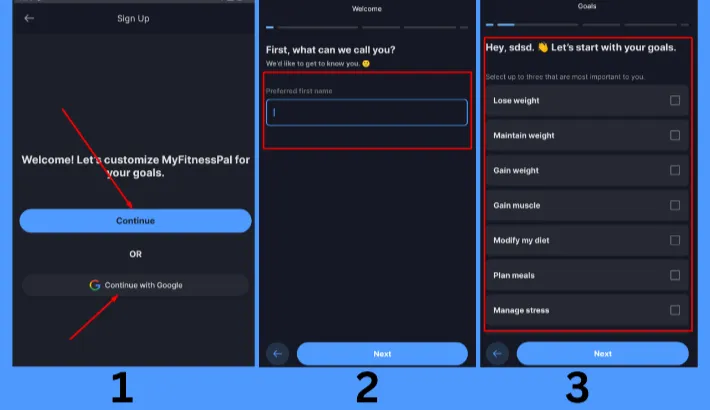
To personalize calorie tracking, the app asks for basic information such as:
- Age
- Height
- Current weight
- Target weight
- Activity level
This helps MyFitnessPal estimate your daily calorie needs.
Step 4: Set Your Goal
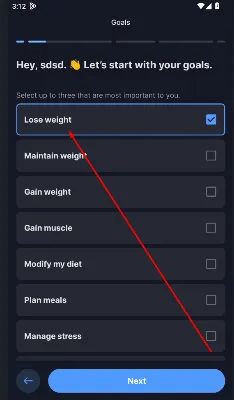
Next, you’ll choose your goal:
- Lose weight
- Maintain weight
- Gain weight
Based on your goal, MyFitnessPal calculates a daily calorie target to guide your diet.
How to Track Food and Calories in MyFitnessPal

Tracking food is the main feature of MyFitnessPal.
To log a meal:
- Open the Diary tab
- Select a meal category (breakfast, lunch, dinner, or snack)
- Search for the food item
- Enter the portion size
- Save the entry
Once added, the app automatically calculates the calories and nutrients for your meal.
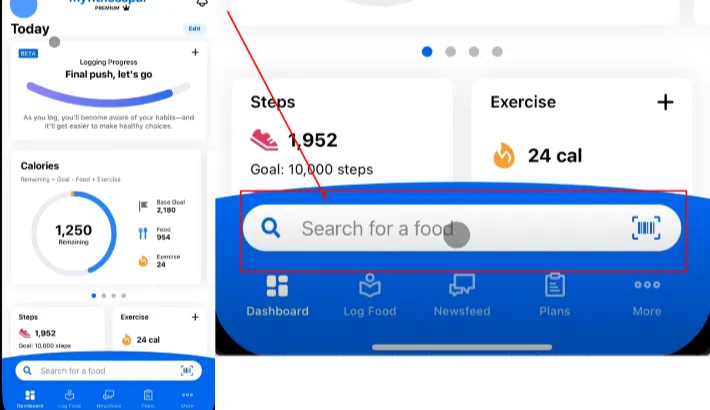
Different Ways to Add Food
You can log food using several methods:
- Search the food database
- Scan a barcode
- Add a custom recipe
- Use quick calorie entry
If you’re new to the app, read our detailed guide on how to add food in MyFitnessPal.
Tracking Macros and Nutrition
Another helpful feature of MyFitnessPal is macro tracking.
Macros refer to the three main nutrients your body needs:
| Macronutrient | Purpose |
|---|---|
| Protein | Supports muscle growth |
| Carbohydrates | Provides energy |
| Fat | Supports hormone balance |
By monitoring macros, users can adjust their diet depending on their fitness or weight-loss goals.
Logging Exercise in MyFitnessPal
In addition to food tracking, MyFitnessPal allows users to log workouts and physical activity.
How to Log Exercise
- Open the Exercise tab
- Search for your activity
- Enter the duration and intensity
- Save the workout
The app estimates calories burned and adjusts your daily calorie allowance.
Activities You Can Track
Examples include:
- Walking
- Running
- Cycling
- Strength training
- Cardio workouts
MyFitnessPal Premium vs Free
MyFitnessPal offers both a free version and a premium subscription.
| Feature | Free Version | Premium Version |
|---|---|---|
| Food logging | Yes | Yes |
| Barcode scanner | Yes | Yes |
| Macro tracking | Basic | Advanced |
| Nutrition reports | Limited | Detailed |
| Custom goals | Limited | Full customization |
Most beginners start with the free version, and upgrade later if they want more advanced nutrition insights.
Common MyFitnessPal Problems and Fixes
Although MyFitnessPal is easy to use, users may occasionally run into a few issues.
Incorrect Food Database Entries
Sometimes food entries may contain inaccurate calorie values.
Tip: Always double-check serving sizes.
Syncing Issues
Occasionally the app may not sync properly with fitness devices.
You can also follow our tutorial on how to connect Fitbit to MyFitnessPal to automatically track your steps and workouts.
Missing Foods
If you can’t find a specific food in the database, you can manually add it.
MyFitnessPal Integrations
Another useful feature of MyFitnessPal is its ability to connect with other fitness apps and devices.
Popular integrations include:
- Fitbit
- Garmin
- Apple Watch
- Google Fit
These integrations allow your activity data and step counts to sync automatically with MyFitnessPal.
Best Alternatives to MyFitnessPal
Although MyFitnessPal is powerful, some users prefer other calorie-tracking apps.
Popular alternatives include:
- Lifesum
- Lose It
- Cronometer
- Yazio
If you want to compare other calorie tracking tools, check our list of the best MyFitnessPal alternatives.
Tips to Use MyFitnessPal Effectively
To get the best results from MyFitnessPal, consider these simple tips.
Track Food Consistently
Logging meals daily improves accuracy and helps you understand your eating habits.
Measure Portion Sizes
Using a kitchen scale can make calorie tracking more accurate.
Review Your Daily Progress
Checking your calorie totals regularly helps ensure you stay within your daily target.
Focus on Nutrient Quality
Calories matter, but choosing nutritious foods is also important for long-term health.
Frequently Asked Questions
Is MyFitnessPal free?
Yes. MyFitnessPal offers a free version with essential calorie-tracking features.
Is MyFitnessPal good for weight loss?
Yes. Tracking calories helps people stay aware of their eating habits and stay within their calorie goals.
Can MyFitnessPal track macros?
Yes. The app tracks protein, carbohydrates, and fat intake.
Is MyFitnessPal accurate?
The app provides useful estimates, but accuracy depends on correct food entries and portion sizes.
Conclusion
Learning how to use MyFitnessPal can make calorie tracking much easier and more organized. By logging meals, tracking macros, and reviewing your progress, you gain a clearer understanding of your daily eating habits.
Whether your goal is weight loss, muscle gain, or simply building healthier routines, MyFitnessPal can be a helpful tool along the way. With consistent tracking and realistic goals, many people find it easier to stay motivated and achieve long-term health improvements.