MyFitnessPal Meal Scan is a feature designed to make food logging faster and easier. Instead of searching for foods manually, users can simply take a photo of their meal and let the app try to identify it. For people who track calories regularly, this sounds like a huge time saver.
But many users still wonder one thing: how accurate is MyFitnessPal Meal Scan when it comes to identifying foods and estimating calories? In this article, we’ll take a closer look at how the feature works and test its accuracy in real situations to see where it performs well and where it struggles..
Is MyFitnessPal Meal Scan Accurate?
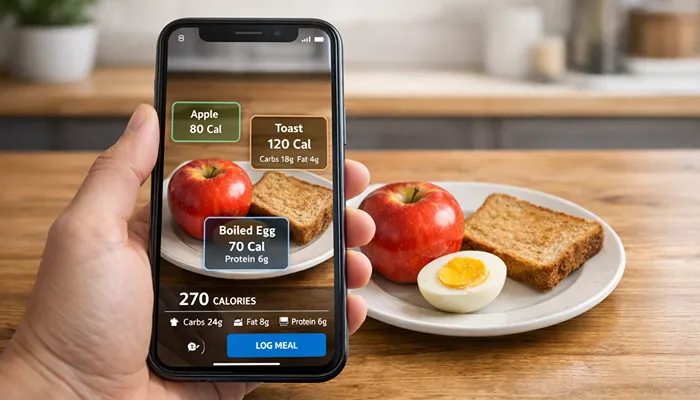
MyFitnessPal Meal Scan can be fairly accurate when identifying simple foods like fruits, bread, or basic meals with clear ingredients. However, it often struggles with mixed dishes such as salads, pasta, or homemade meals. Portion sizes are also estimated automatically, so users may need to adjust the serving size to get more accurate calorie tracking.
What Is MyFitnessPal Meal Scan?
MyFitnessPal Meal Scan is a feature inside the MyFitnessPal app that helps users log their meals quickly using their phone’s camera. Instead of searching for foods manually, you can simply take a photo of your meal, and the app will try to identify what’s on the plate. The system analyzes the image and suggests possible food items along with estimated calories and nutrition information.
This makes food logging much faster, especially for common meals or simple ingredients. Compared to typing each item into the food database, Meal Scan can save time and make daily calorie tracking easier for people who want a quicker way to record what they eat.
If you’re comparing calorie tracking features between different apps, you may also want to read our detailed MyFitnessPal vs Lose It comparison to see how both apps handle food logging and accuracy.
How MyFitnessPal Meal Scan Works
MyFitnessPal Meal Scan is designed to make food logging faster by using your phone’s camera. Instead of manually searching for every food item, you simply take a photo of your meal inside the app. The feature then analyzes the image and tries to recognize what foods are on your plate.
Here’s a simple breakdown of how the process works:
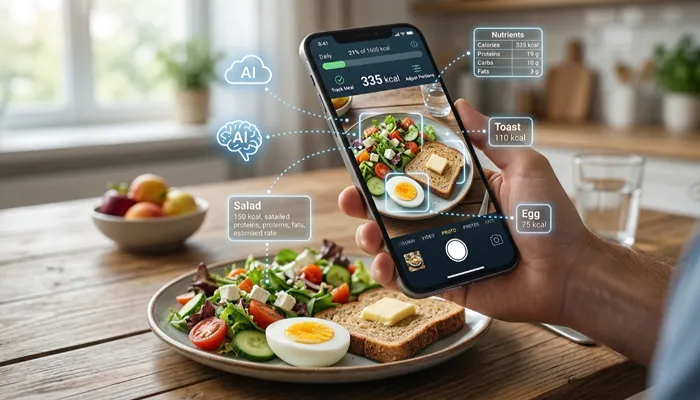
1. Take a photo of your meal
You open the Meal Scan feature in MyFitnessPal and capture an image of the food using your phone’s camera.
2. AI analyzes the image
The app uses AI recognition to examine shapes, colors, and common food patterns to guess what foods appear in the photo.
3. The system checks the food database
After identifying possible foods, MyFitnessPal compares them with items stored in its large food database.
4. Estimated nutrition is generated
The app creates a suggested food entry with estimated calories and nutrition information.
However, the accuracy of MyFitnessPal Meal Scan can vary. Lighting conditions, food presentation, and meal complexity all affect the results. Simple foods are usually recognized correctly, while mixed dishes or homemade meals may still require manual adjustments.
Some advanced tracking tools and additional features are available in the paid version of the app. You can read our MyFitnessPal Premium review to see whether upgrading is worth it.
Testing MyFitnessPal Meal Scan Accuracy
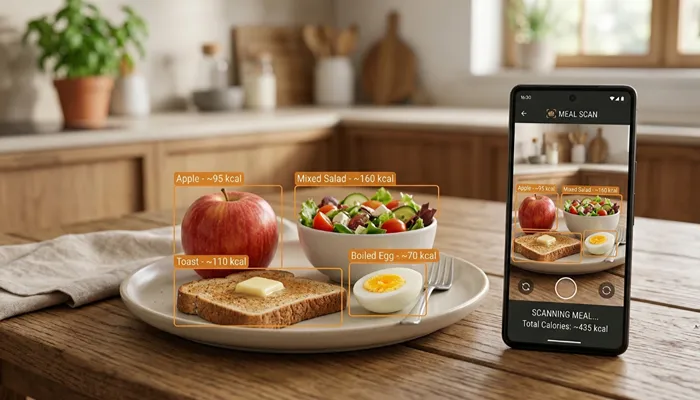
To understand how accurate MyFitnessPal Meal Scan really is, I tested the feature with a few common foods people typically log during the day. The goal was to see where the feature works well and where it struggles.
Here’s what I found:
1. Apple
When scanning a simple food like an apple, the result was very accurate.
The app quickly recognized the fruit and suggested a calorie estimate that closely matched the standard database value.
2. Sandwich
The scan correctly identified the food as a sandwich, but it struggled with the details.
It couldn’t detect the exact ingredients inside, so the calorie estimate was more of a general guess.
3. Pasta
Pasta produced mixed results.
Meal Scan recognized the dish as pasta but could not accurately identify the sauce or portion size.
4. Salad
The salad scan detected the basic food category, but it missed several ingredients such as dressing, cheese, or toppings.
Overall, MyFitnessPal Meal Scan works best with simple foods, while complex meals often require manual adjustments.
When MyFitnessPal Meal Scan Works Well
MyFitnessPal Meal Scan tends to perform best when the food is simple and easy to recognize. The feature relies on visual patterns, so foods with clear shapes and familiar appearances are usually identified more accurately.
Here are a few situations where the scan works well:
Simple foods
Items like apples, bananas, eggs, or toast are usually detected correctly because they have recognizable shapes and textures.
Single ingredients
Foods that contain only one main ingredient are easier for the AI system to identify without confusion.
Packaged items
Meals with clear portions or recognizable products are often matched more accurately with entries in the MyFitnessPal database.
In these cases, the app can quickly estimate calories and nutrition details with reasonable accuracy.
When Meal Scan Struggles
Although the feature can be helpful, MyFitnessPal Meal Scan does not always recognize foods perfectly. The system relies on visual patterns, so more complex meals can sometimes confuse the AI.
Here are some situations where the scan may struggle:
Mixed dishes
Meals that contain multiple ingredients—such as stir-fries, casseroles, or pasta dishes—can be difficult to analyze. The app may recognize the general type of meal but miss several ingredients.
Homemade meals
Homemade recipes often vary in ingredients and preparation. Because of this, the scan usually provides only a rough estimate.
Sauces and toppings
Small additions like dressings, sauces, or toppings are frequently missed during scanning.
Portion size estimation
Meal Scan typically estimates an average serving size rather than measuring the exact portion on your plate.
If you feel the meal scanning feature is not accurate enough for your needs, you can also explore some of the best MyFitnessPal alternatives that offer different food tracking tools.
Tips to Improve Meal Scan Accuracy
While MyFitnessPal Meal Scan is convenient, a few simple habits can help you get more accurate results when logging meals. These small adjustments make the feature more reliable for everyday tracking.
Scan food in good lighting
Good lighting helps the camera clearly capture the food’s shape and color. Natural light or a well-lit room usually improves recognition accuracy.
Start with simple foods
Meal Scan works best with simple items such as fruits, eggs, or toast. Scanning these first can help the app identify foods more easily before you log more complex meals.
Adjust portion size manually
The scan usually estimates an average serving size. If your portion is larger or smaller, update the amount manually to keep calorie tracking accurate.
Double-check calorie estimates
After scanning, review the suggested food entry and calories. Making quick corrections ensures your daily nutrition log stays reliable.
Is MyFitnessPal Meal Scan Reliable for Calorie Tracking?
MyFitnessPal Meal Scan can be a helpful tool for quick and convenient food logging. It works well when you want a fast estimate without manually searching for every item. However, it’s not always perfect when it comes to precise calorie tracking. Because the feature relies on visual recognition, complex meals and portion sizes may still need manual adjustments.
For casual users who simply want to stay aware of their eating habits, Meal Scan can save time and make logging easier. But athletes or people following strict nutrition plans may prefer manual tracking to ensure their calorie and macro counts are as accurate as possible.
Frequently Asked Questions
Is MyFitnessPal Meal Scan free?
MyFitnessPal Meal Scan is available inside the MyFitnessPal app, but access may depend on your subscription plan and app version. Some features are available in the free version, while more advanced tools are often included in MyFitnessPal Premium. If the feature appears in your app, you can use it to quickly scan foods and generate estimated nutrition entries.
Does Meal Scan work for homemade meals?
Meal Scan can recognize homemade meals to some extent, but the accuracy may vary. If the dish contains many ingredients—like casseroles, stir-fries, or mixed salads—the app may only identify the general type of food. In these cases, you may need to manually adjust ingredients or portions for better accuracy.
Is barcode scanning more accurate than Meal Scan?
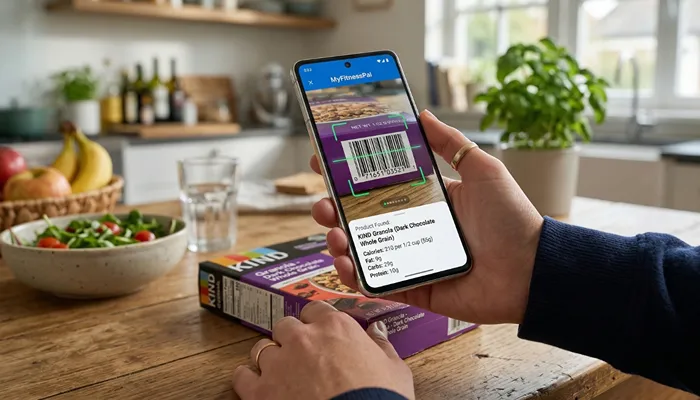
In many situations, barcode scanning is more accurate. When you scan a packaged product’s barcode, MyFitnessPal pulls nutrition data directly from its database. Meal Scan, on the other hand, relies on image recognition, which can sometimes produce estimates rather than exact matches.
Can Meal Scan estimate calories correctly?
Meal Scan can provide a helpful calorie estimate, especially for simple foods. However, the results should be reviewed and adjusted if necessary to ensure accurate calorie tracking.
Final Thoughts
MyFitnessPal Meal Scan is a convenient feature that can make food logging much faster. Instead of manually searching for every item, you can quickly scan your meal and get an estimated entry in seconds. However, the accuracy often depends on the type of food you’re scanning.
Simple foods tend to work well, while mixed dishes or homemade meals may need adjustments. Overall, the feature is best used for quick calorie estimates rather than precise nutrition tracking. If you want faster food logging, Meal Scan can save time—but it’s still smart to double-check your calories to keep your tracking accurate.