Many people today use mobile apps to track calories, manage nutrition, and stay consistent with their fitness goals. Two of the most popular apps are MyFitnessPal and Lifesum.
But when choosing between them, users often wonder: which one is better for weight loss, food tracking, and overall health management?
Both apps offer calorie tracking, diet planning, and progress monitoring, but they work in slightly different ways and focus on different types of users.
In this guide, we will compare MyFitnessPal vs Lifesum in detail, looking at their features, pricing, ease of use, and benefits so you can decide which app fits your lifestyle and fitness goals best.
If you’re exploring other calorie tracking apps, you may also want to check our guide on best MyFitnessPal alternatives.
Why People Search for MyFitnessPal vs Lifesum
People often compare MyFitnessPal vs Lifesum because both apps help users track calories, improve nutrition, and maintain healthy habits. However, each app offers different features and user experiences.
Common reasons people search for this comparison include:
• Wanting an easy app to track daily calories and meals
• Looking for a better diet planning system
• Trying to decide between free and premium features
• Finding an app compatible with Apple Watch or fitness trackers
• Choosing a tool that supports weight loss or muscle gain
Some users prefer MyFitnessPal for its massive food database, while others like Lifesum for its clean interface and diet-focused plans. Understanding these differences helps users choose the right app for their personal health goals.
MyFitnessPal vs Lifesum: Quick Comparison
Before diving into a detailed comparison, here is a quick overview of MyFitnessPal vs Lifesum. This table highlights key differences such as platforms, free features, and primary strengths so readers can quickly understand how the two apps compare.
| App | Best For | Free Version | Platform |
|---|---|---|---|
| MyFitnessPal | Detailed calorie tracking | Yes | iOS, Android, Web |
| Lifesum | Diet planning & healthy habits | Yes | iOS, Android |
MyFitnessPal vs Lifesum: Feature Comparison
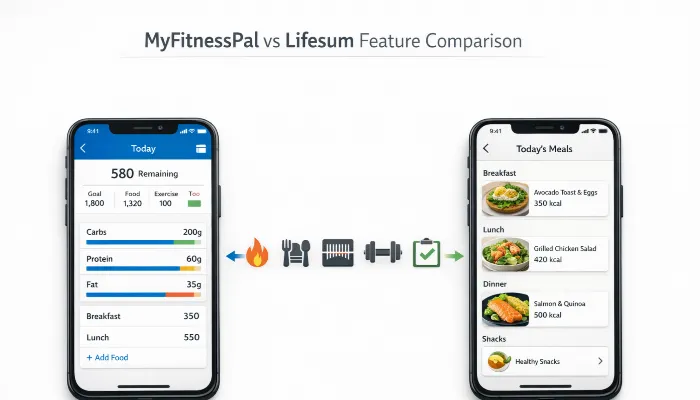
Both apps provide tools for tracking nutrition and maintaining a healthy lifestyle. However, their approach to food logging, diet planning, and user experience differs. Below is a closer look at the main features of MyFitnessPal and Lifesum so you can understand what each app offers.
MyFitnessPal
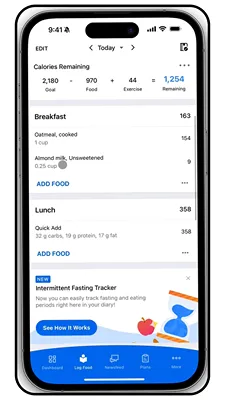
MyFitnessPal is one of the most widely used calorie tracking apps in the world. It offers a massive food database, barcode scanning, and detailed nutrition tracking, making it ideal for users who want precise control over their diet.
Key Features
• Large food database
• Barcode food scanner
• Calorie and macro tracking
• Integration with fitness devices
Pros
• Huge food database
• Strong community support
Cons
• Interface can feel complex
Best For
Users who want detailed nutrition tracking and data insights.
If you want to learn more about how the app works, read our complete guide on how MyFitnessPal works for beginners.
Lifesum
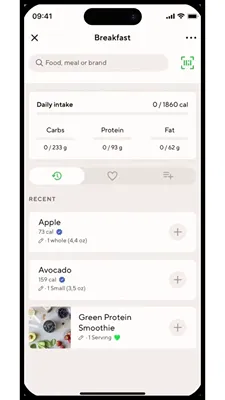
Lifesum focuses on helping users build healthier eating habits through structured diet plans and an intuitive interface. It offers meal planning, lifestyle scoring, and guided nutrition programs.
Key Features
• Personalized diet plans
• Meal planning tools
• Lifestyle score tracking
• Water and nutrition reminders
Pros
• Clean and simple interface
• Strong focus on diet planning
Cons
• Smaller food database
Best For
Users who want guided diet plans and a simple tracking experience.
Some users also compare Lifesum with other calorie apps. See our comparison of MyFitnessPal vs Lose It.
Comparison Section
Below is a direct comparison of the most important features between MyFitnessPal and Lifesum.
| Feature | MyFitnessPal | Lifesum |
|---|---|---|
| Food Database | Very large | Moderate |
| Diet Plans | Limited | Extensive |
| User Interface | Data-focused | Clean & simple |
| Fitness Integrations | Many | Several |
| Barcode Scanner | Yes | Yes |
| Free Features | Strong | Moderate |
Overall, MyFitnessPal is better for users who want detailed calorie tracking and data insights. In contrast, Lifesum focuses more on diet guidance and healthy eating habits. The right choice depends on whether you prefer deep nutritional data or structured diet programs.
What Real Users Say?
Community feedback from platforms like Reddit, Quora, and app reviews reveals interesting insights about MyFitnessPal vs Lifesum.
Many users say MyFitnessPal is excellent for detailed food tracking because its database includes millions of foods. Fitness enthusiasts and athletes often prefer it for macro tracking and integrations with other fitness apps.
On the other hand, users often praise Lifesum for its clean design and easy diet guidance. Beginners especially appreciate the simple interface and structured diet programs.
Overall, community discussions suggest that MyFitnessPal is more data-driven, while Lifesum focuses more on lifestyle and habit building.
How to Choose the Best Option
Choosing between MyFitnessPal vs Lifesum depends on your personal health goals and how you prefer to track your nutrition.
Consider these factors:
• Choose MyFitnessPal if:
- You want detailed calorie and macro tracking
- You prefer a large food database
- You use multiple fitness tracking devices
• Choose Lifesum if:
- You want guided diet plans
- You prefer a simple and visually clean interface
- You need structured nutrition programs
Beginners often find Lifesum easier to start with, while experienced fitness users tend to prefer MyFitnessPal for deeper nutritional tracking.
Frequently Asked Questions
Is MyFitnessPal better than Lifesum?
MyFitnessPal is better for detailed calorie tracking and macro management, while Lifesum is better for structured diet planning and habit tracking.
Is Lifesum good for weight loss?
Yes. Lifesum provides guided diet plans, nutrition insights, and habit tracking tools that can help users maintain consistent weight-loss routines.
Which app has the better food database?
MyFitnessPal has one of the largest food databases among nutrition apps, making it easier to track a wide variety of foods.
Are MyFitnessPal and Lifesum free?
Both apps offer free versions with basic tracking features, but advanced tools require a premium subscription.
Which app is easier to use?
Many beginners find Lifesum easier due to its clean design and guided plans.
Final Thoughts
When comparing MyFitnessPal vs Lifesum, both apps offer powerful tools for improving nutrition and tracking health goals.
MyFitnessPal stands out with its massive food database and detailed calorie tracking, making it ideal for users who want precise nutritional data.
Lifesum, on the other hand, focuses on guided diet plans and a simple user experience, which can be helpful for beginners or people who prefer structured meal programs.
Ultimately, the best choice depends on your personal fitness goals and how you prefer to manage your daily nutrition.
Which App Is Better for Beginners?
Short answer:
• Beginners → Lifesum
• Advanced tracking → MyFitnessPal