Trying to log rice in MyFitnessPal but getting confused with so many options? You’re not alone. Many beginners choose the wrong rice entry or portion size, which leads to incorrect calorie tracking
Tracking what you eat might sound confusing at first, but tools like MyFitnessPal make it really simple. It’s a popular app that helps you keep track of your daily calories and meals, including something as common as rice for dinner.
When you log your food, you get a clear idea of how much you’re eating and how it affects your health goals. Whether you want to lose weight or just stay fit, recording your dinner in MyFitnessPal is quick, easy, and very helpful—even for complete beginners.
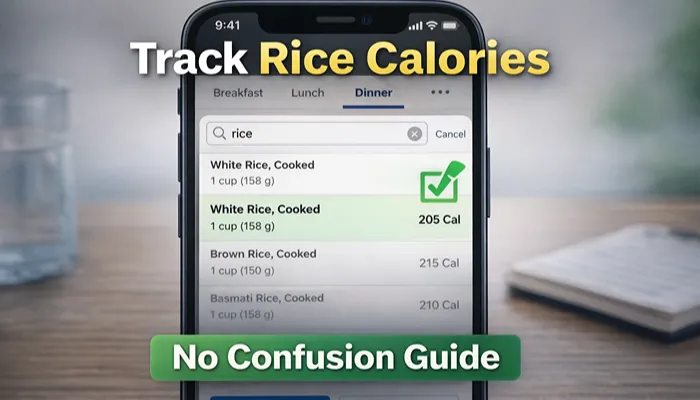
How To Record That I Had Rice For Dinner Using MyFitnessPal 7 Easy Steps
If you’re trying to track your meals properly, knowing how to record that I had rice for dinner using MyFitnessPal is super important. Don’t worry—it’s actually very simple once you follow the right steps. Let’s go step-by-step so you can log your dinner accurately without confusion.
Step 1 – Open MyFitnessPal App
First, open the MyFitnessPal app on your phone. Make sure you’re logged into your account. If you’re not logged in yet, just enter your email and password. Once you’re inside the app, you’ll see your dashboard or home screen.
Step 2 – Go to Diary Section
Now, look for the “Diary” option. You’ll usually find it at the bottom menu or on the home screen itself. Tap on it to open your daily food log. This section shows everything you’ve eaten throughout the day, including breakfast, lunch, dinner, and snacks.
Step 3 – Select Dinner Meal
Inside the diary, you’ll see different meal sections like Breakfast, Lunch, Dinner, and Snacks. Since you want to record your evening meal, tap on the “Add Food” button under the Dinner section. This tells the app that you’re logging dinner specifically.
Step 4 – Search for Rice
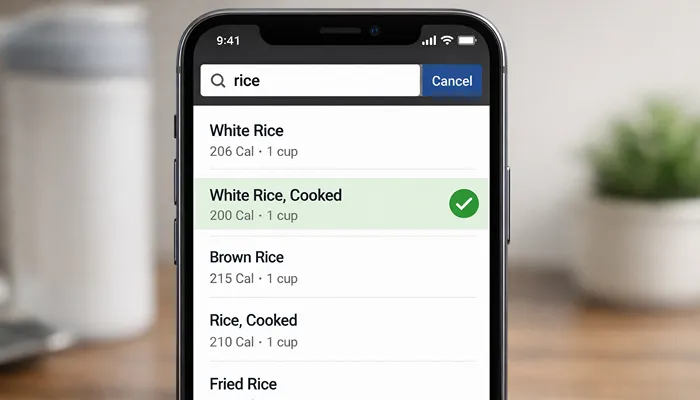
After tapping “Add Food,” a search bar will appear at the top. Type “rice” into the search bar and press search. You’ll see many options like white rice, brown rice, basmati rice, and more. MyFitnessPal shows a list of different entries based on how the rice is prepared and measured.
Step 5 – Choose the Correct Rice Option
Now, pick the correct option from the list. This part is important. Always choose between cooked or uncooked rice based on what you actually ate. Look for verified entries (they usually have a green check mark) because they are more accurate. Choosing the wrong type can mess up your calorie tracking.
Step 6 – Adjust Serving Size
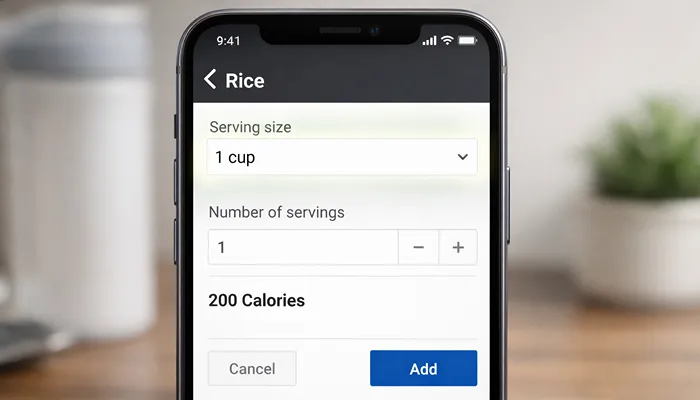
Once you select the rice, you can adjust the serving size. You’ll see options like grams, cups, or servings. Change it based on how much rice you actually ate. For example, if you had one cup of cooked rice, select that. Accurate serving size helps you track calories correctly.
Step 7 – Save the Entry
Finally, tap on the “Add” or “Save” button. Once you do this, your rice will be logged under the Dinner section in your diary. That’s it—you’ve successfully recorded your meal using MyFitnessPal.
Different Types of Rice You Can Log in MyFitnessPal
When using MyFitnessPal, choosing the right type of rice is very important because different types have different calories.
- White rice is the most common. It has fewer nutrients but is easier to digest. Calories are moderate and depend on how much you eat.
- Brown rice is healthier because it has more fiber. It keeps you full longer, but calories are slightly higher than white rice.
- Basmati rice (very popular in India) usually has a bit fewer calories than regular white rice and a lower glycemic index.
The biggest confusion happens with cooked vs raw rice:
- Raw rice has much higher calories because it expands when cooked
- Cooked rice has fewer calories per serving since it contains water
Always check whether you’re logging cooked or raw rice in MyFitnessPal to avoid mistakes.
Sometimes, you’ll see many similar food entries, which can be confusing. If you want to understand how different apps handle food databases, you can explore this comparison of MyFitnessPal vs Lose It real differences for better clarity.
Tips to Track Rice Accurately
Tracking rice correctly can make a big difference in your calorie count, especially if you eat it often. First, try using grams instead of cups. Cups can vary depending on how tightly the rice is packed, but grams give you a fixed and more accurate measurement.
Next, always choose verified foods in your tracking app. These entries are usually more reliable because they’ve been checked, so you avoid incorrect calorie data.
Also, make sure you measure rice properly. Decide whether you’re tracking cooked or uncooked rice and stay consistent. Cooked rice absorbs water, which changes its weight and calories per gram.
These small habits help you avoid underestimating or overestimating your intake, making your tracking much more accurate and useful.
To make your tracking even more accurate, you can also sync your activity data with the app. Here’s a simple guide on how to connect Fitbit to MyFitnessPal for better calorie tracking.
Common Mistakes While Logging Rice
When logging rice, small mistakes can easily lead to wrong calorie tracking. One of the most common issues is incorrect portion size. Many people guess instead of measuring, which can add extra calories without realizing it.
Another mistake is selecting uncooked rice instead of cooked rice in the app. This creates a big difference because uncooked rice has more calories by weight compared to cooked rice.
Also, don’t forget about oil, butter, or ghee added during cooking. Ignoring these can make your calorie count much lower than it actually is.
All these mistakes can lead to inaccurate tracking, slowing down your fitness progress.
Can You Save Rice as a Favorite Meal in MyFitnessPal?
Yes, you can absolutely save rice as a favorite meal in MyFitnessPal, and it’s a huge time-saver once you start using it daily. Instead of logging rice again and again, you can create a saved meal in just a few steps.
Go to the “Diary” section, add your rice with the correct portion, then tap on “Save Meal” or “Add to Meals”. Give it a simple name like “Daily Rice” or “Lunch Rice.”
Next time, you don’t need to search again—just pick it from your saved meals.
This small trick can save you a few minutes every day, especially if rice is a regular part of your diet.
If you’re new to tracking meals, you might also want to understand how accurate the app really is. You can check this detailed guide on how accurate MyFitnessPal meal scan is to get a better idea before logging your food.
Why Tracking Dinner Properly Matters
Tracking your dinner might seem like a small step, but it plays a big role in your overall progress. For weight loss, dinner is often where extra calories sneak in—late-night cravings, large portions, or unhealthy choices. When you track it properly, you stay aware and maintain a healthy calorie balance throughout the day.
It also helps in building strong habits. Once you get used to logging your dinner daily, it becomes automatic, making your fitness journey more consistent and easier to manage over time.
Conclusion
Tracking rice in MyFitnessPal is actually much easier than it looks. Just search for the right entry, choose the correct portion, and log it carefully. Once you do it a few times, it becomes a quick daily habit.
The key is staying consistent and being a little mindful of your portions. You don’t need to be perfect—just accurate enough to understand your intake. So start today, track your meals regularly, and you’ll slowly build better control over your diet without feeling stressed or confused.